
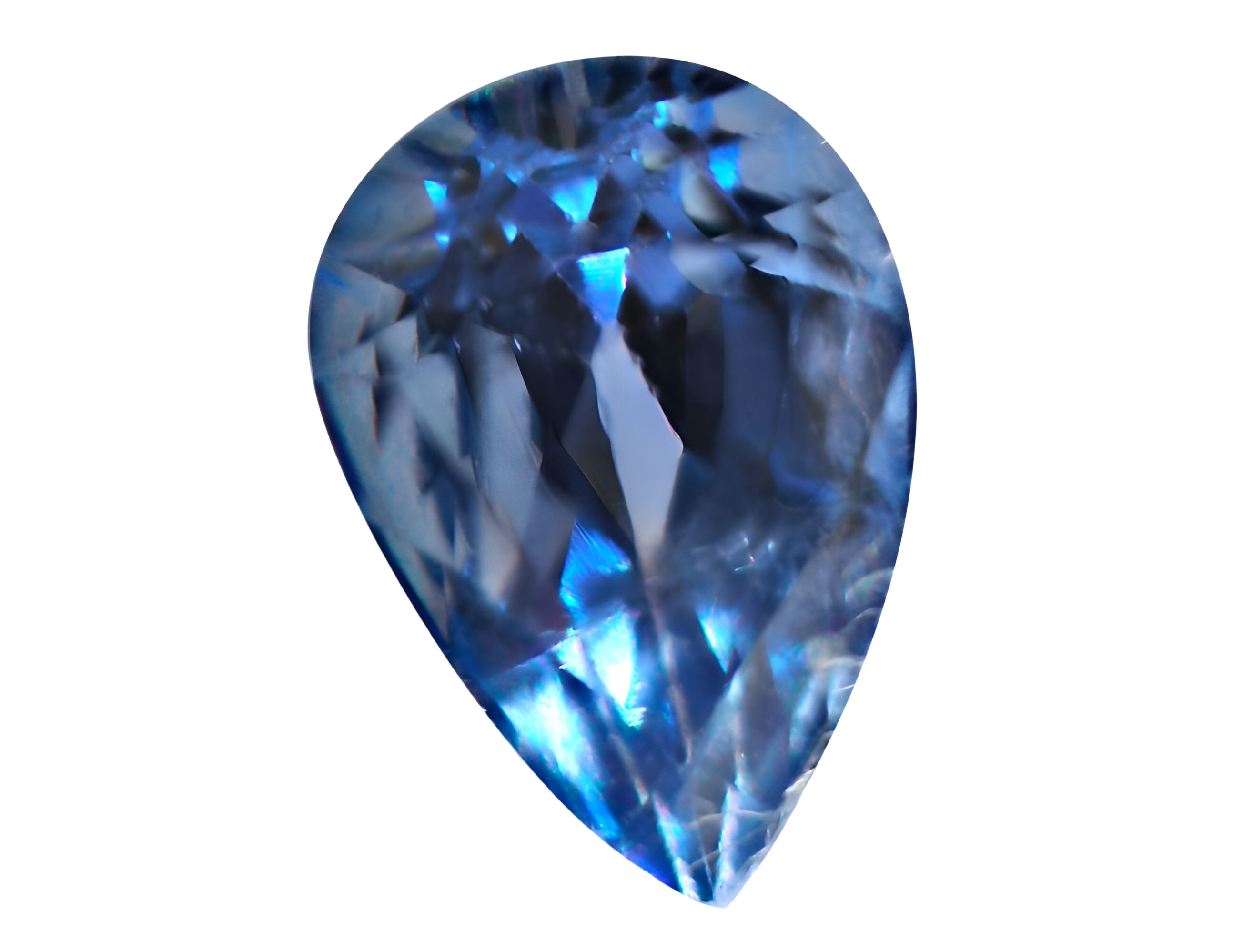
Gem Education
Sapphire Buying Guide
A complete, authoritative reference for evaluating, buying, and collecting the world's most treasured coloured gemstone.
Where It Begins
A gem born of fire and time
Sapphire is a variety of the mineral corundum, formed deep underground as molten rock slowly cools over millions of years. Trace elements, mainly iron and titanium, infiltrate the crystal structure and produce its colour, from the deepest blues to soft pastel pinks.
Sri Lanka, the "Gem Island," has supplied the world's finest sapphires for over two millennia and today accounts for a substantial share of global supply. Read more in our Sri Lankan Gem Stories.
How Sapphires Are Graded
The 4 Cs of Sapphires
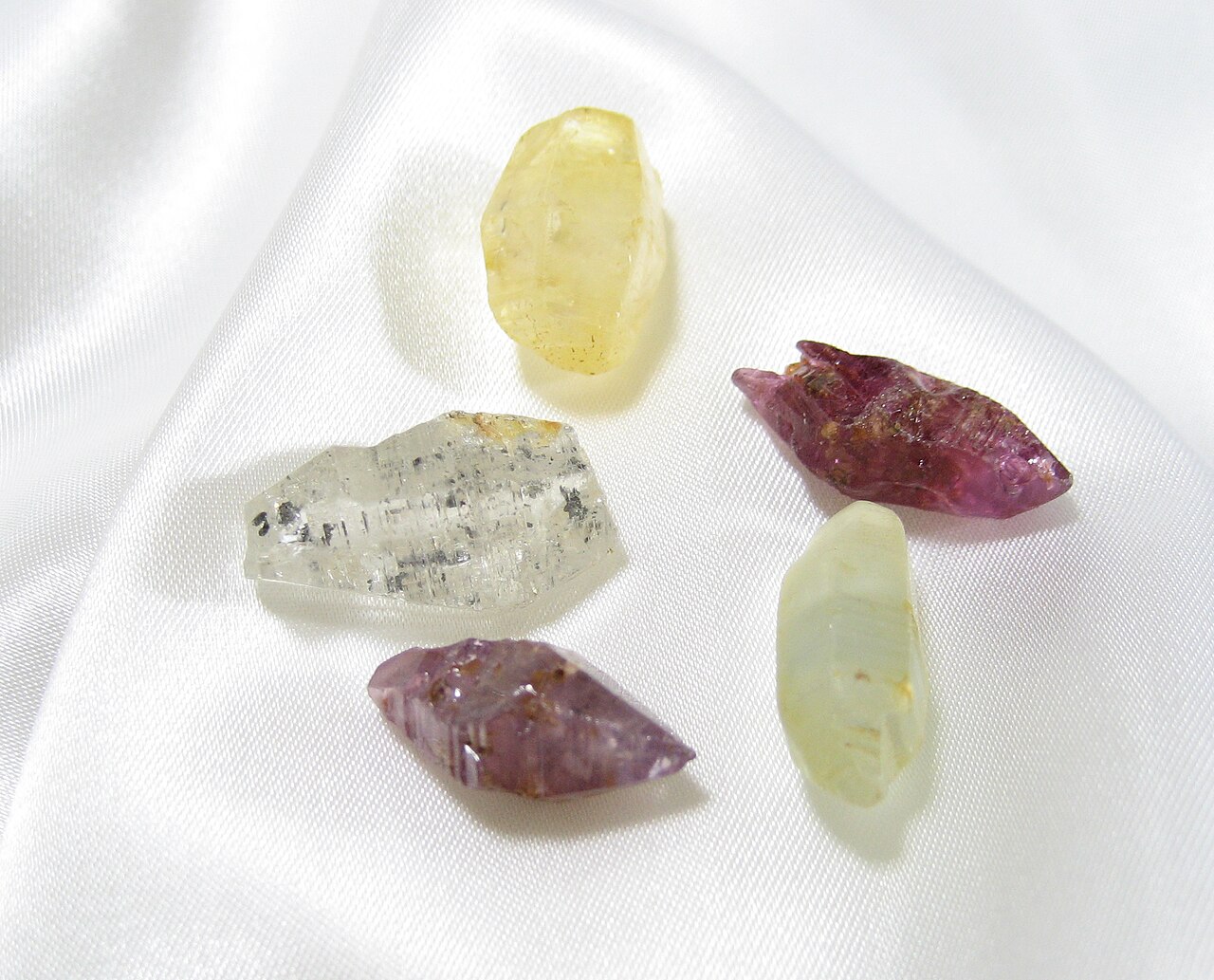
Natural sapphire crystals showing a range of colours.
Colour
The most important of the four Cs, accounting for the majority of a sapphire’s value. Graded on hue (the base colour), saturation (intensity), and tone (lightness to darkness); a vivid, evenly saturated blue with medium-to-medium-dark tone is the benchmark. While blue is classic, fine sapphires also occur in pink, yellow, purple, green, white, and the rare peachy-pink padparadscha.
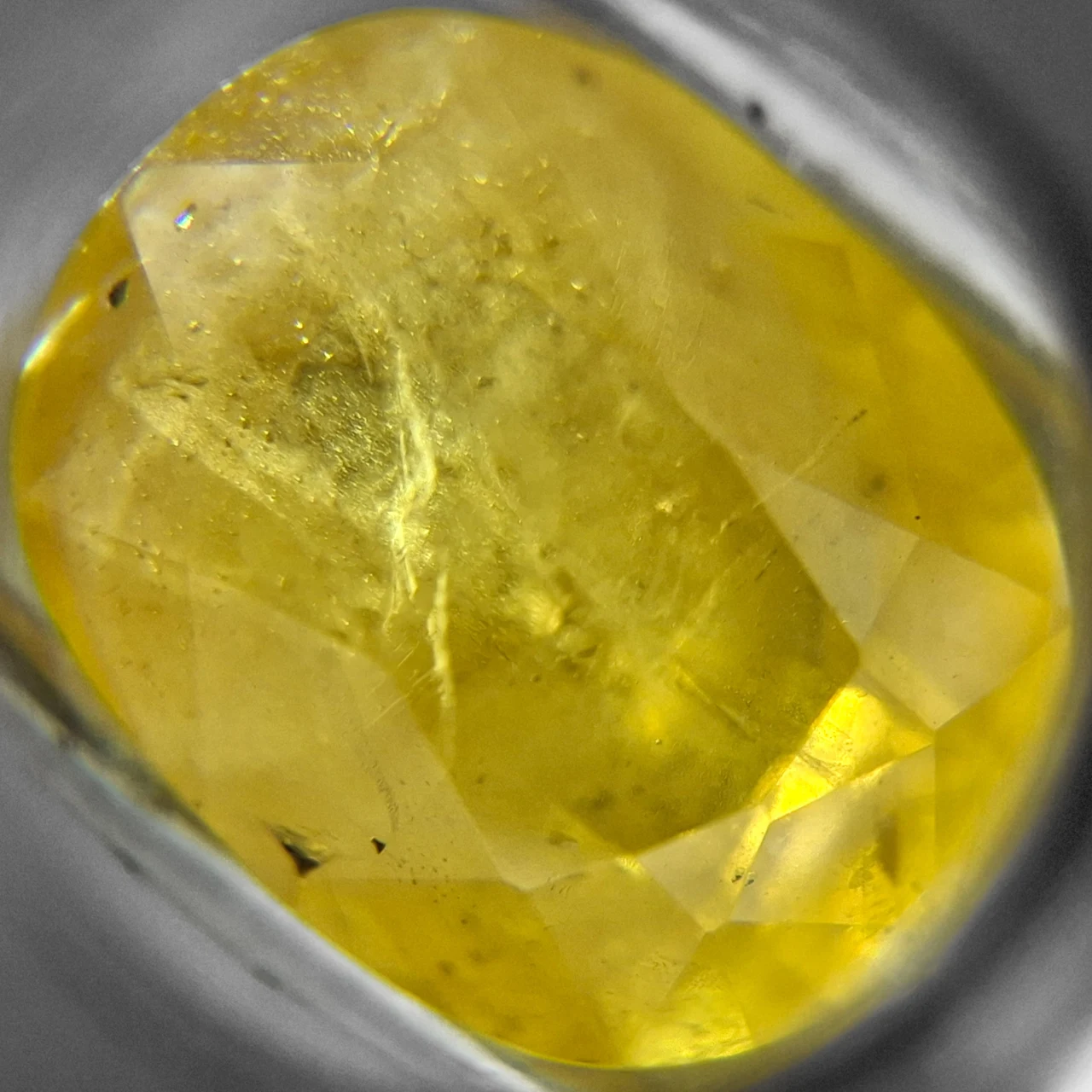
Inclusions photographed at 60-times magnification.
Clarity
Sapphires are graded by eye rather than the 10x loupe standard used for diamonds. An "eye-clean" stone, with no inclusions visible without magnification, is considered excellent. Fine, silk-like rutile inclusions are common and, in small amounts, do not meaningfully affect value; large or dark inclusions that reach the surface do.
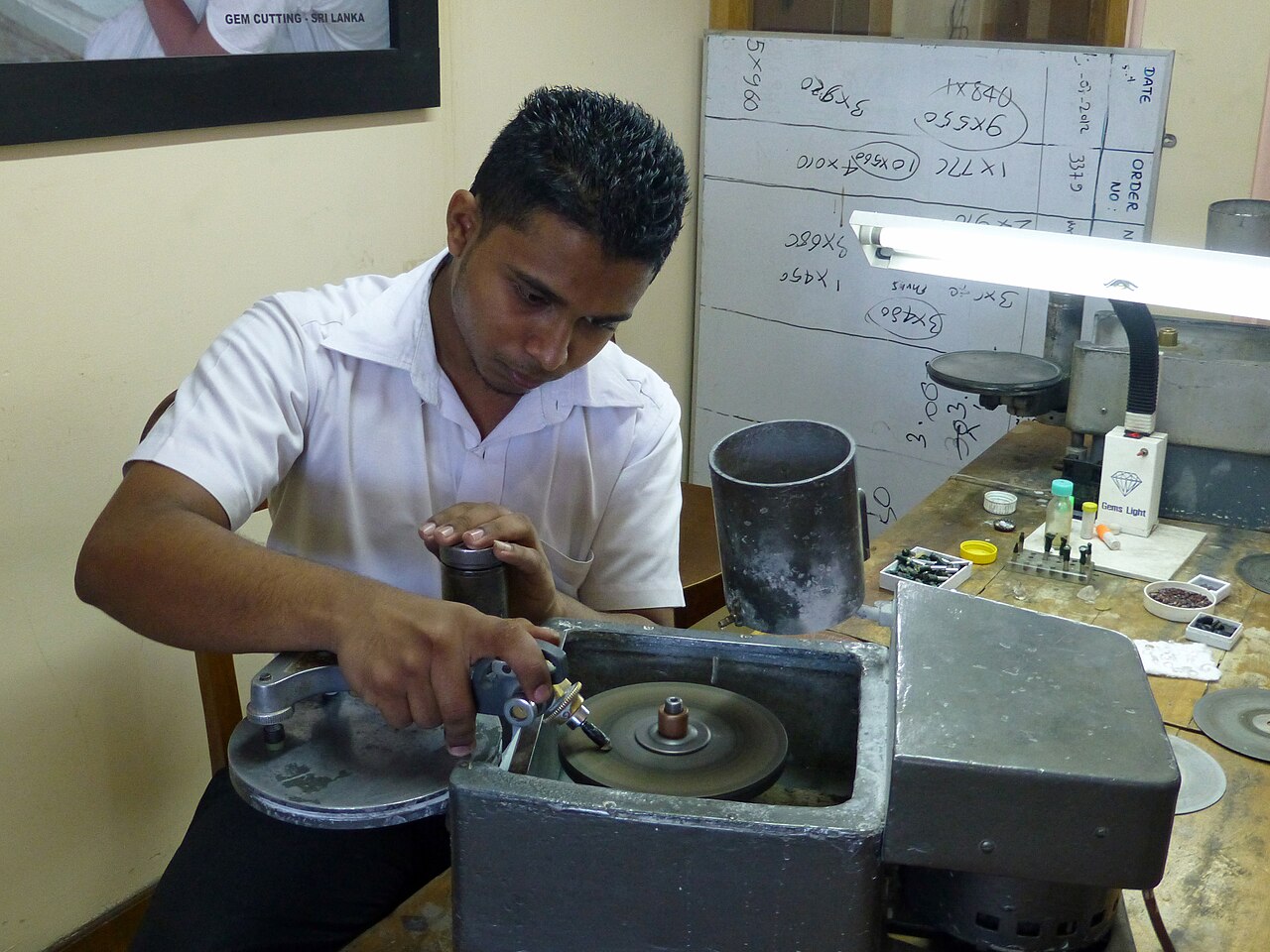
A gem cutter at work in Kandy, Sri Lanka.
Cut
A well-proportioned cut maximises brilliance and shows colour evenly across the face of the stone. Because rough sapphire crystals are irregular, cutters often prioritise retaining carat weight over ideal proportions, so two sapphires of identical carat weight can look very different depending on cut quality.
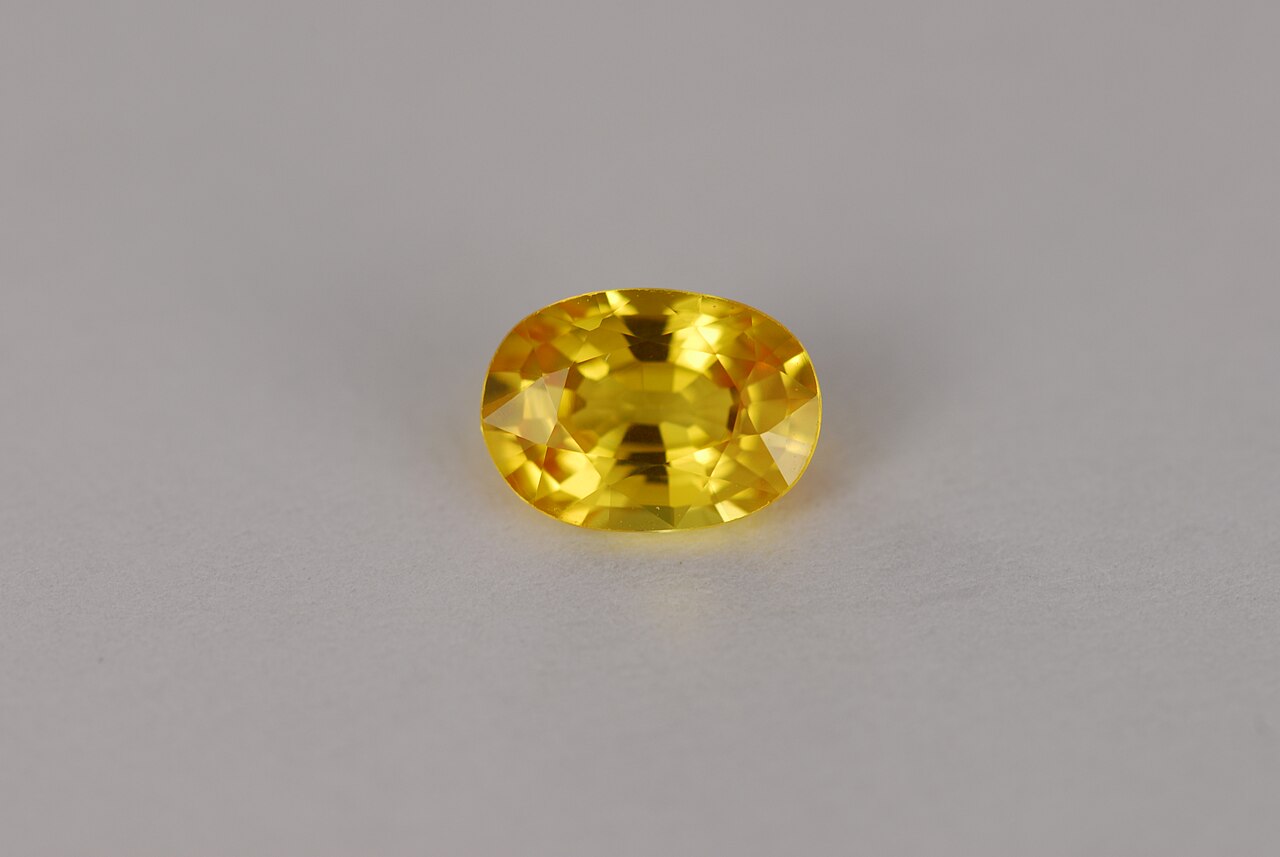
A photographed Ceylon sapphire of approximately 1 ct.
Carat
Sapphire is denser than diamond, so a 1-carat sapphire looks slightly smaller than a 1-carat diamond of the same shape. Price per carat rises sharply at key size thresholds (1ct, 2ct, 5ct) as larger fine-quality rough becomes exponentially rarer.
Provenance
Origin Matters
Country of origin significantly affects both colour and value. Origin is determined by a stone's inclusion patterns and trace chemistry, and must be certified by a reputable laboratory.
Ceylon (Sri Lanka)
The historic source, mined for over 2,000 years. Known for a lighter, highly transparent cornflower blue and the widest colour range of any origin, including the prized padparadscha.
Kashmir
Mined for only a few decades in the late 1800s and now essentially exhausted. Prized for a soft, velvety "cornflower" blue with no visible facet edges. The rarest and most valuable origin.
Burma (Myanmar)
Produces a deep, saturated "royal blue" with a slight violet secondary hue. Historically mined alongside Burma’s famous rubies in the Mogok valley.
Madagascar
A major modern source since the 1990s, producing fine blue sapphire in volume that rivals traditional origins in quality, alongside pink and padparadscha material.
Built to Last
Everyday durability
Sapphire rates 9 on the Mohs hardness scale, second only to diamond, making it exceptionally resistant to scratching and ideal for rings and jewellery worn daily. It also resists chipping better than many gemstones of comparable hardness, thanks to the absence of easy cleavage planes.
Know Before You Buy
Treatments
Most sapphires on the market are treated in some way. Treatment is standard practice; the key is full disclosure. See our full Gem Treatments guide for a deeper breakdown.
Standard & Accepted
Heat treatment: improves colour and clarity, used on roughly 90–95% of sapphires on the market, and fully accepted trade-wide when disclosed.
Unheated (natural colour) stones carry a significant premium, sometimes 2–5x a treated equivalent, and must be confirmed by a laboratory report.
Ask Careful Questions
Beryllium diffusion: alters colour at the surface only; must be disclosed and significantly reduces value versus natural colour.
Fracture filling and dyeing: improves apparent clarity or colour but is unstable under heat, ultrasonic cleaning, or acids.
Irradiation: alters colour in some yellow and other fancy sapphires; results can fade with light or heat exposure over time.
Verification
Trusted Certification Bodies

GIA
Gemological Institute of America: the global benchmark for gem grading

GRS
Gem Research Swisslab: favoured for coloured stone and origin reports

Gübelin
Swiss laboratory, highly respected for origin determination

SSEF
Swiss Gemmological Institute: origin and treatment reports

IGI
International Gemological Institute: widely used, globally recognised

EGL
Sri Lankan gemological laboratory

GGTL
Sri Lankan gemological laboratory

LGL
Sri Lankan gemological laboratory
Before You Buy
Your buying checklist
Five questions to ask before any significant sapphire purchase.
Ask for a report from a reputable, independent laboratory; never rely on a seller’s own certificate alone.
Confirm the treatment status in writing (heated, unheated, or otherwise treated) before you commit to a price.
View the stone in natural daylight as well as indoor lighting; colour can shift meaningfully between light sources.
Compare price per carat against the stone’s colour, clarity, and cut, not carat weight alone.
For a meaningful purchase, prioritise origin and treatment reports over a marginally larger, uncertified stone.
Shop Certified Sapphires